Starting a Bunco group is one of the easiest ways to turn “we should get together more often” into a real, recurring tradition. The game is simple, the atmosphere is social, and a monthly Bunco night gives everyone something fun to look forward to without requiring an elaborate event every time.
The secret to a group that actually lasts is setting a few expectations at the beginning: who is in the group, how often you meet, who hosts, which rules you use, and what happens when someone cannot attend. This step-by-step guide will help you organize all of that before the first bell rings.
Choose a Signature Look for Your New Group
A complete printable set gives the first game night a polished look and helps a new group understand where to score, sit, and rotate. The Retro Bunco Babes Printable Set includes coordinated materials for a funny, memorable ladies' night.

Shop the Retro Bunco Babes Printable Set
Why Start a Bunco Group?
Bunco works especially well for neighborhood groups, friend groups, coworkers, school parents, and extended families because new players can learn in minutes. There is no strategy to master, partners rotate, and the structure naturally encourages conversation.
A regular Bunco group can give you:
- A dependable monthly girls’ night or social event
- An easy way for new neighbors or friends to meet
- A shared hosting tradition so one person does not do everything
- A low-pressure activity that includes beginners
- A reason to celebrate birthdays, holidays, and seasonal themes together
Step 1: Decide What Kind of Bunco Group You Want
Before inviting anyone, choose the general shape of the group. You do not need every detail, but a simple plan makes the invitation feel concrete.
- Frequency: Monthly is traditional, but every six weeks or every other month can work too.
- Day and time: A recurring evening—such as the second Thursday of each month—is easier to remember than choosing a new date every time.
- Location: Rotate among members’ homes, use one regular host, or reserve a shared community space.
- Style: Decide whether the night will be casual, themed, potluck-style, or hosted entirely by the person providing the location.
- Length: Plan on approximately two to three hours for several sets, snacks, and conversation.
Choose the simplest format your group can realistically maintain. Consistency matters more than elaborate decor or a perfect menu.
Step 2: Invite 12 Regular Players
The classic Bunco setup uses 12 players at three tables, with four players at each table. Start by making a list of people who enjoy casual games, social evenings, or trying something new. They do not need any Bunco experience.
When you invite someone, explain that you are creating a recurring group rather than planning a one-time party. Include the proposed day, frequency, approximate cost, and whether hosting will rotate.
A Simple Invitation Message
I’m starting a monthly Bunco group! It’s an easy, social dice game—no experience needed. We’re thinking of meeting on the second Thursday of each month from 7:00–9:30 PM and rotating hosts. Would you like to be one of our 12 regular players?
Give people a clear date to respond. If your first 12 invitees cannot commit, keep asking until you have a dependable core group.
Step 3: Create a Substitute List
Cancellations are inevitable. A list of four to six substitutes prevents the host from searching for an extra player on the afternoon of the party.
Ask regular members to suggest friends who would enjoy being occasional substitutes. Keep names and contact information in the group chat or planning document. When a regular player cannot attend, decide whether that person contacts a substitute or whether the host manages the list.
If no substitute is available, you can still play with a “ghost” player. The ghost’s partner rolls for both seats and tracks the ghost like a regular player. A substitute is more social, but the ghost rule keeps game night from being canceled.
Step 4: Set a Recurring Schedule
Choose dates for at least the next three to six months while everyone is enthusiastic. A predictable schedule makes attendance much easier.
- Pick a regular pattern, such as the first Friday or third Wednesday.
- Ask members to add every date to their calendars immediately.
- Send a reminder one week before each game night.
- Request final attendance confirmations three or four days before the event.
- Have a clear deadline for contacting substitutes.
A group chat works well for reminders and quick updates. Keep important information—dates, addresses, host assignments, and group rules—in one pinned message so it does not disappear in the conversation.
Step 5: Choose a Host Rotation
Rotating hosts spreads the work and keeps the group interesting. Create a simple calendar showing who will host each month. A host usually provides the location, table setup, and basic snacks, but your group can divide responsibilities differently.
Easy Hosting Options
- Host provides everything: The host handles food, drinks, supplies, and setup.
- Host plus potluck: The host provides the space and drinks; everyone else brings a snack.
- Assigned roles: One person hosts, one brings dessert, one brings prizes, and one manages scorecards.
- Shared venue: Meet in a clubhouse or community room and rotate setup duties.
If someone cannot host during their assigned month, let members swap dates. The goal is to make hosting feel manageable, not stressful.
Step 6: Agree on Your Bunco Rules
Bunco groups often use slightly different scoring and rotation rules. Choose one version before your first game and keep a printed copy at every table.
Your group should agree on:
- How a standard roll, Mini Bunco, and Bunco are scored
- When the Head Table rings the bell
- How players rotate after each round
- How ties are broken
- How many six-round sets you will play
- Whether you use a traveling Bunco item
- Which wins, losses, and Buncos are recorded for prizes
If your group is new to the game, use our complete beginner guide to Bunco rules as your starting point.
Step 7: Build a Shared Bunco Kit
A dedicated Bunco kit saves every host from buying the same supplies. Store everything in one tote and pass it to the next host at the end of the night.
What to Put in Your Bunco Kit
- Nine dice—three for each table—plus a few extras
- A bell for the Head Table
- Pencils or pens
- Table number signs
- Rules sheets
- Table tally sheets
- Individual scorecards
- A clipboard or folder for completed scorecards
- A small traveling Bunco item, if you use that variation
Affiliate disclosure: As an Amazon Associate, I earn from qualifying purchases. The Amazon links below are affiliate links, which means I may earn a small commission at no extra cost to you.
Useful kit supplies include


and a binder for schedules, rules, and score sheets.

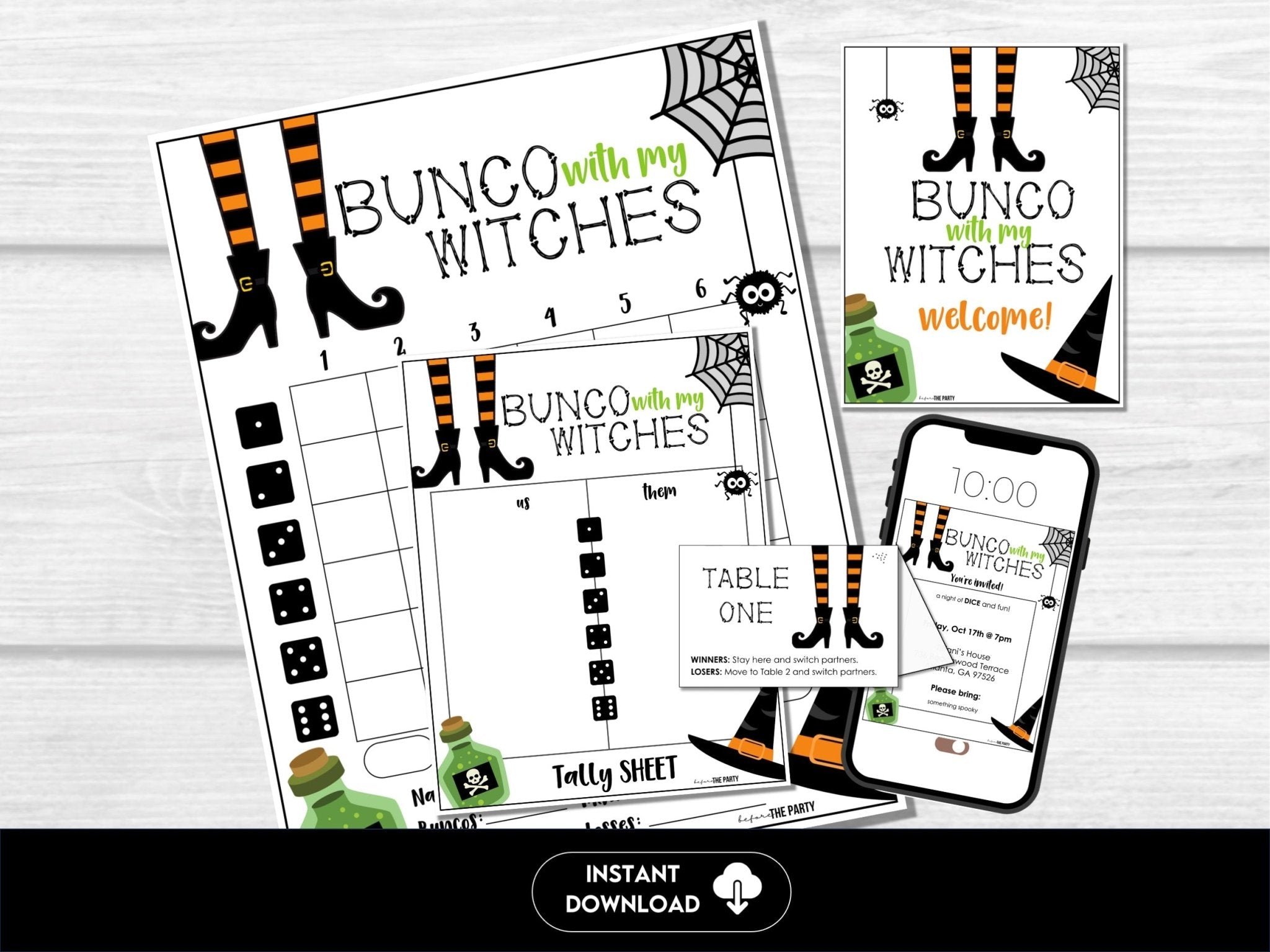
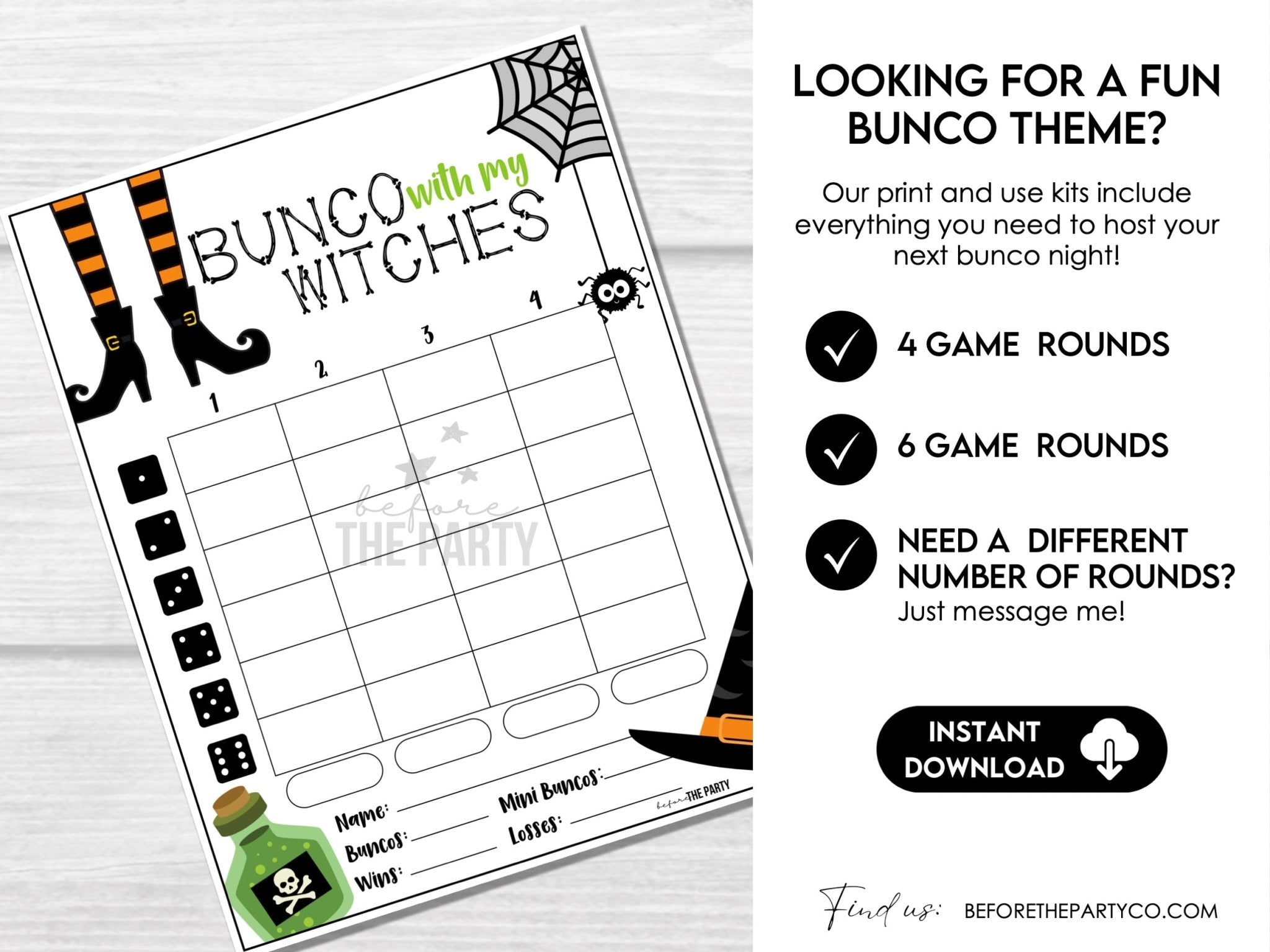
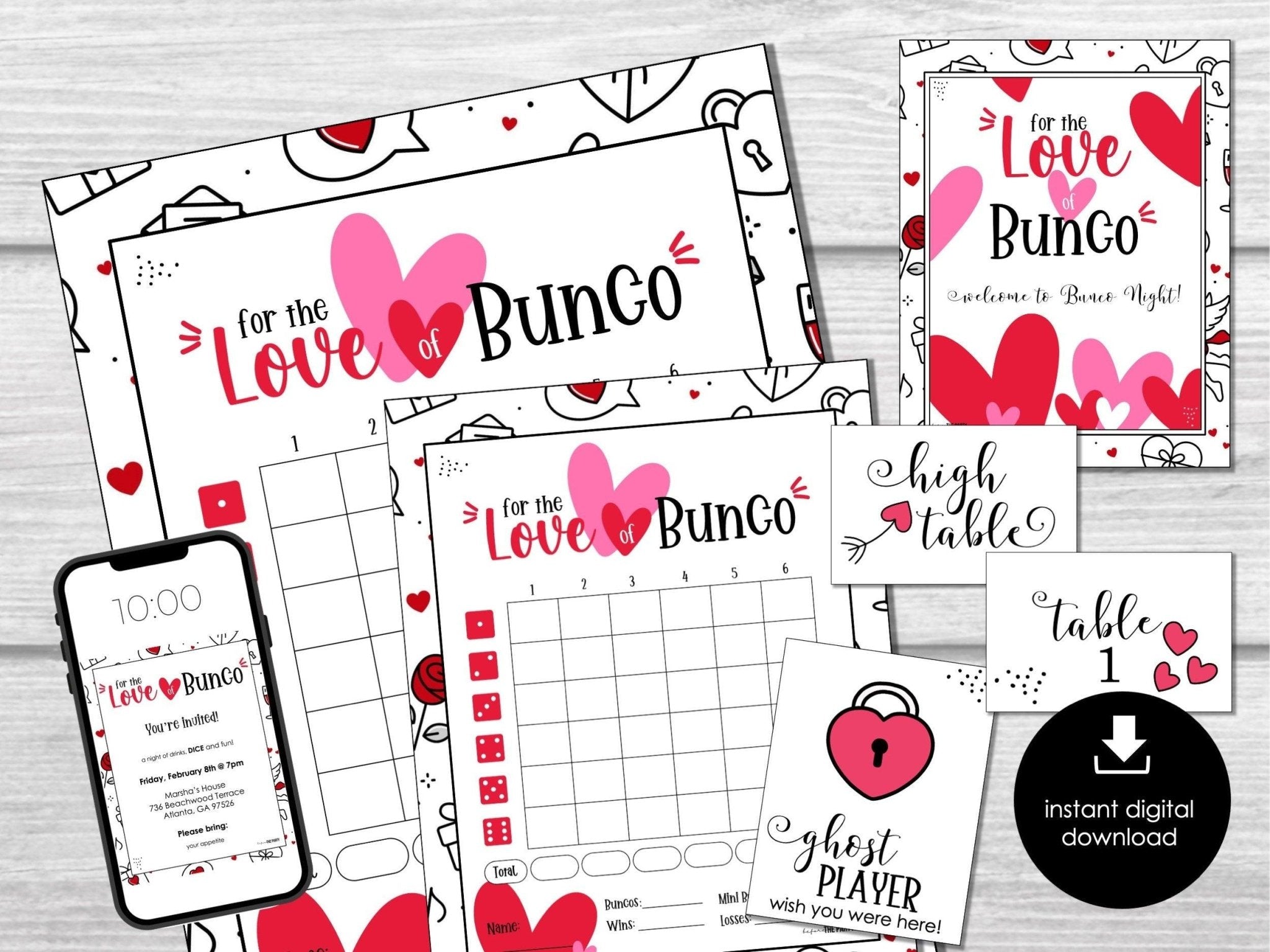
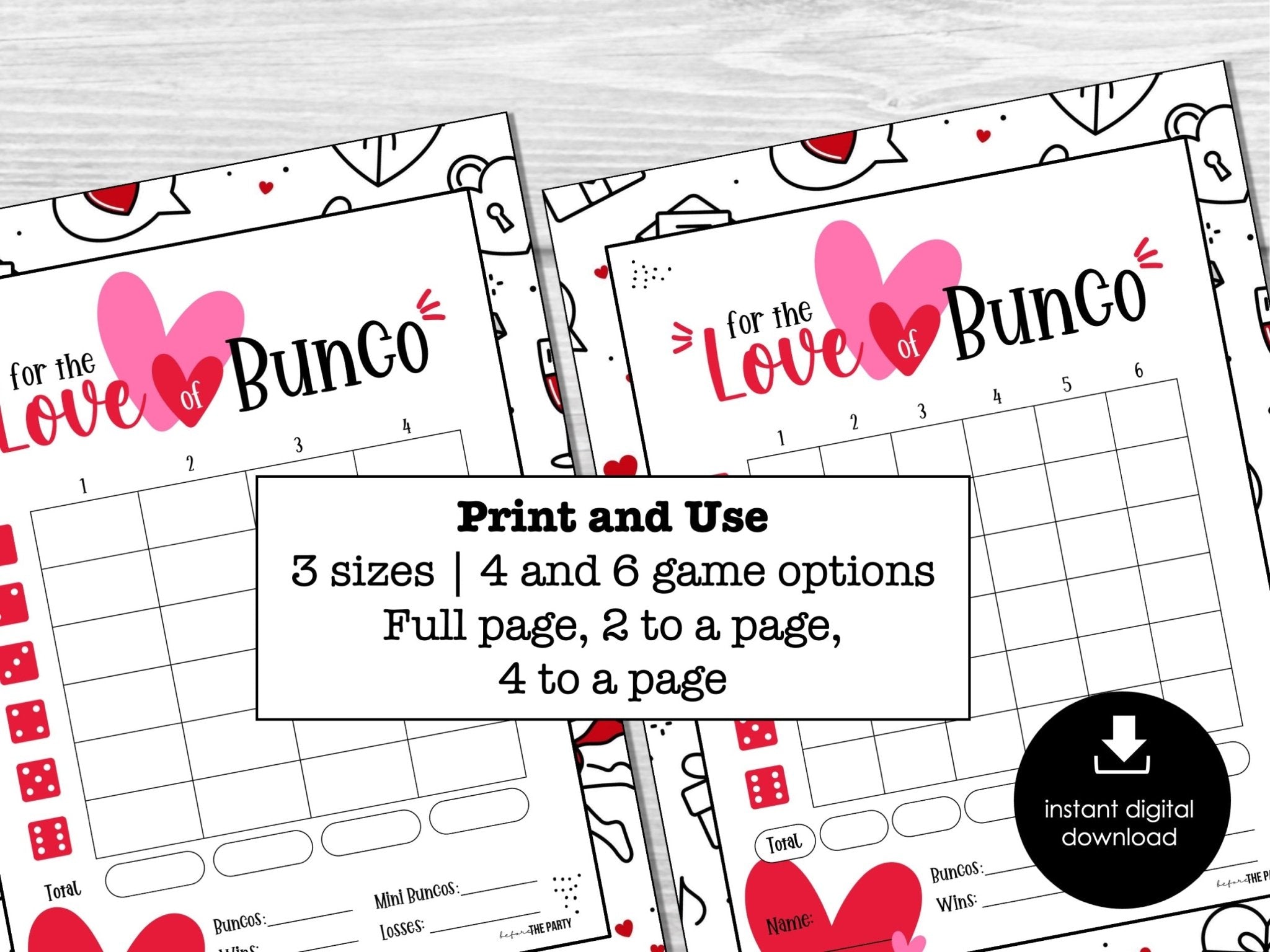
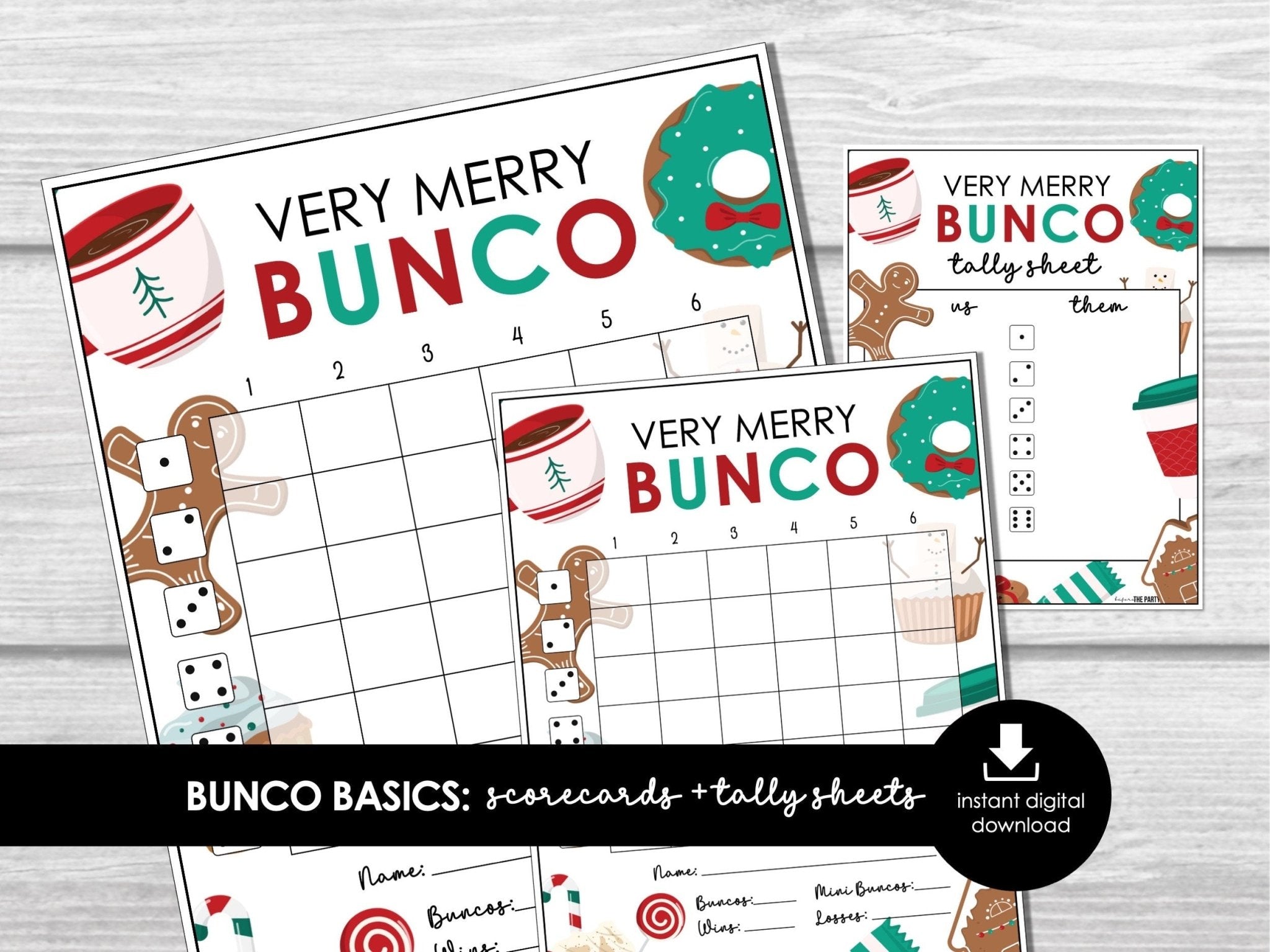
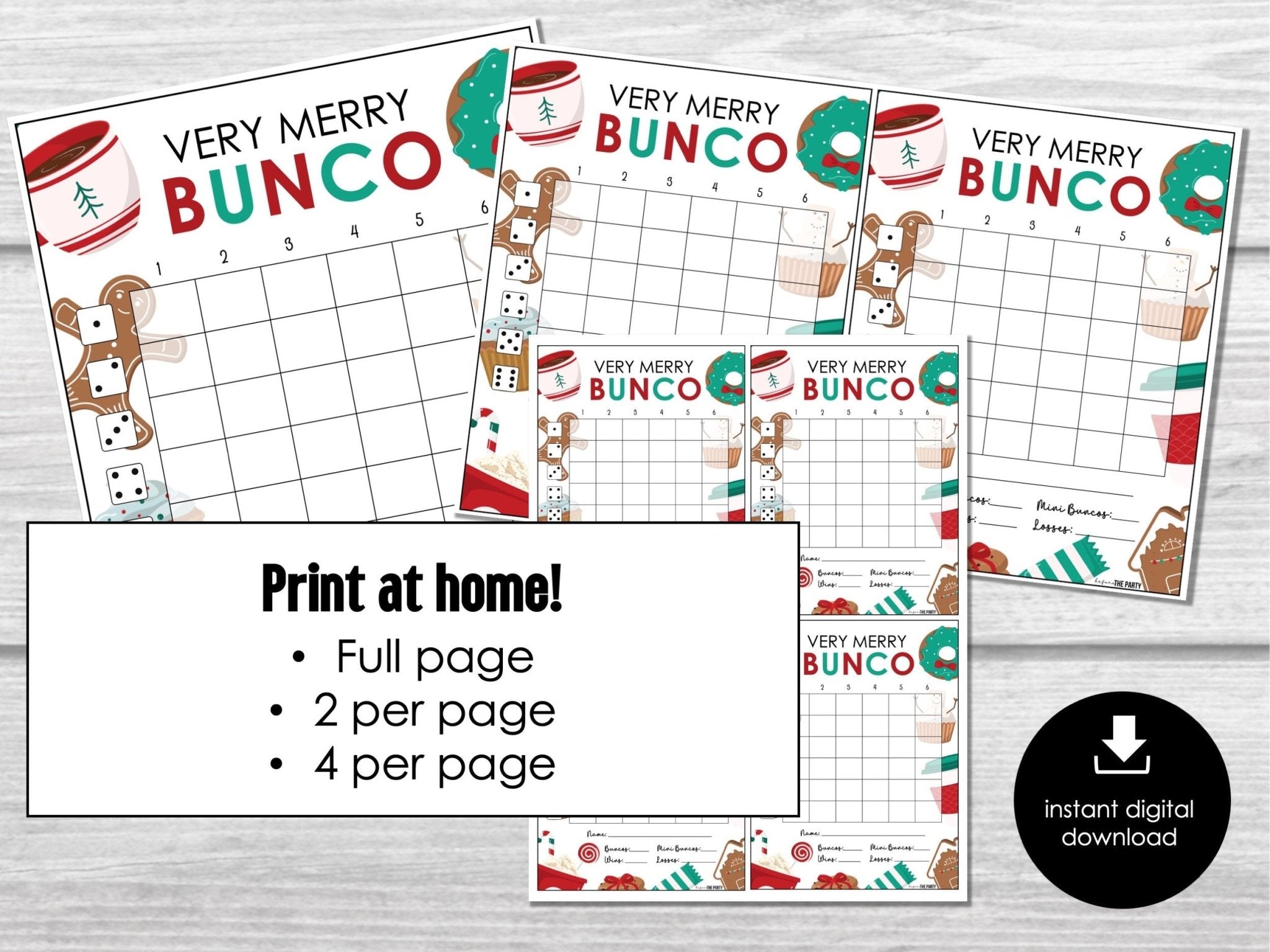
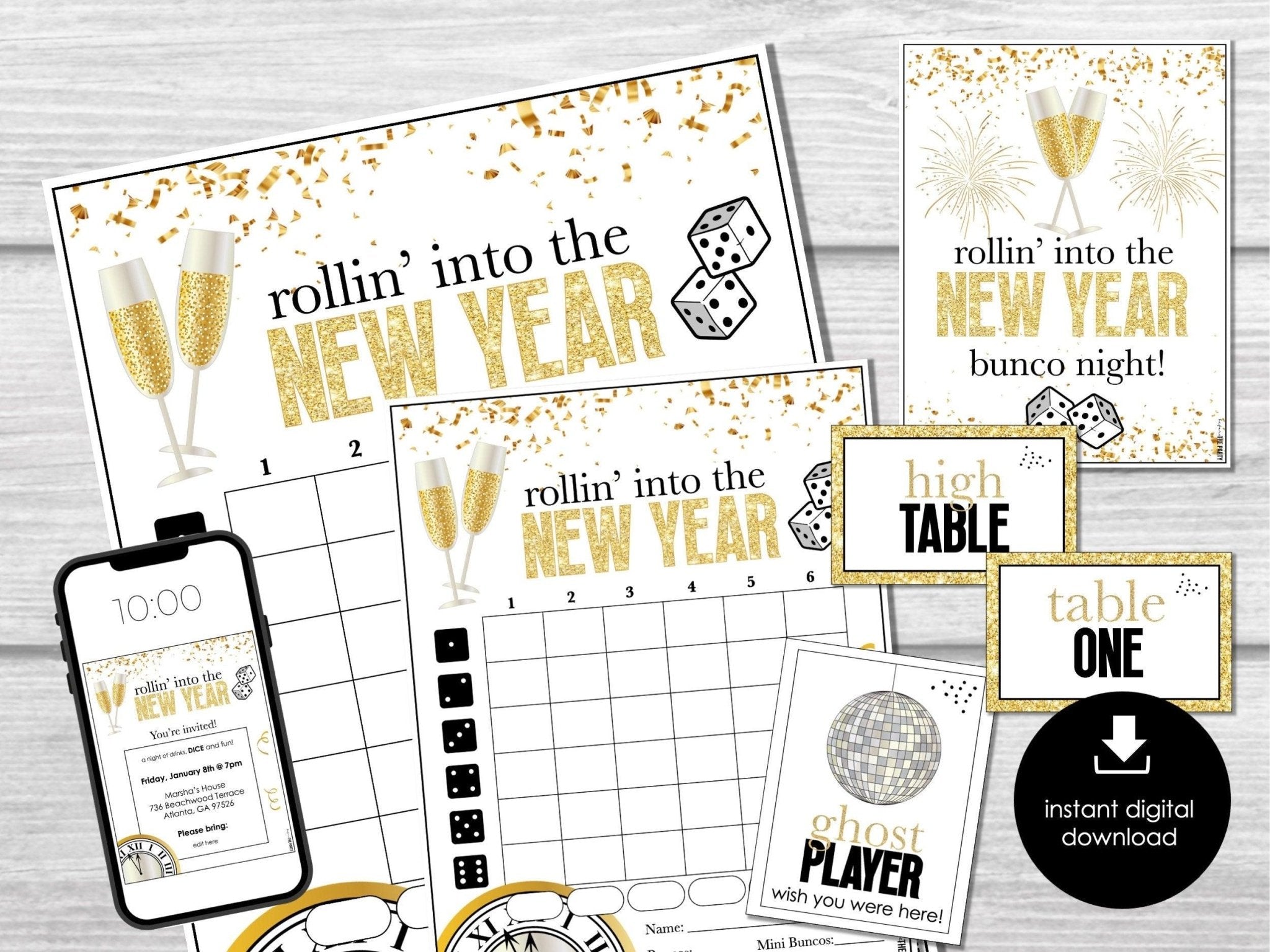
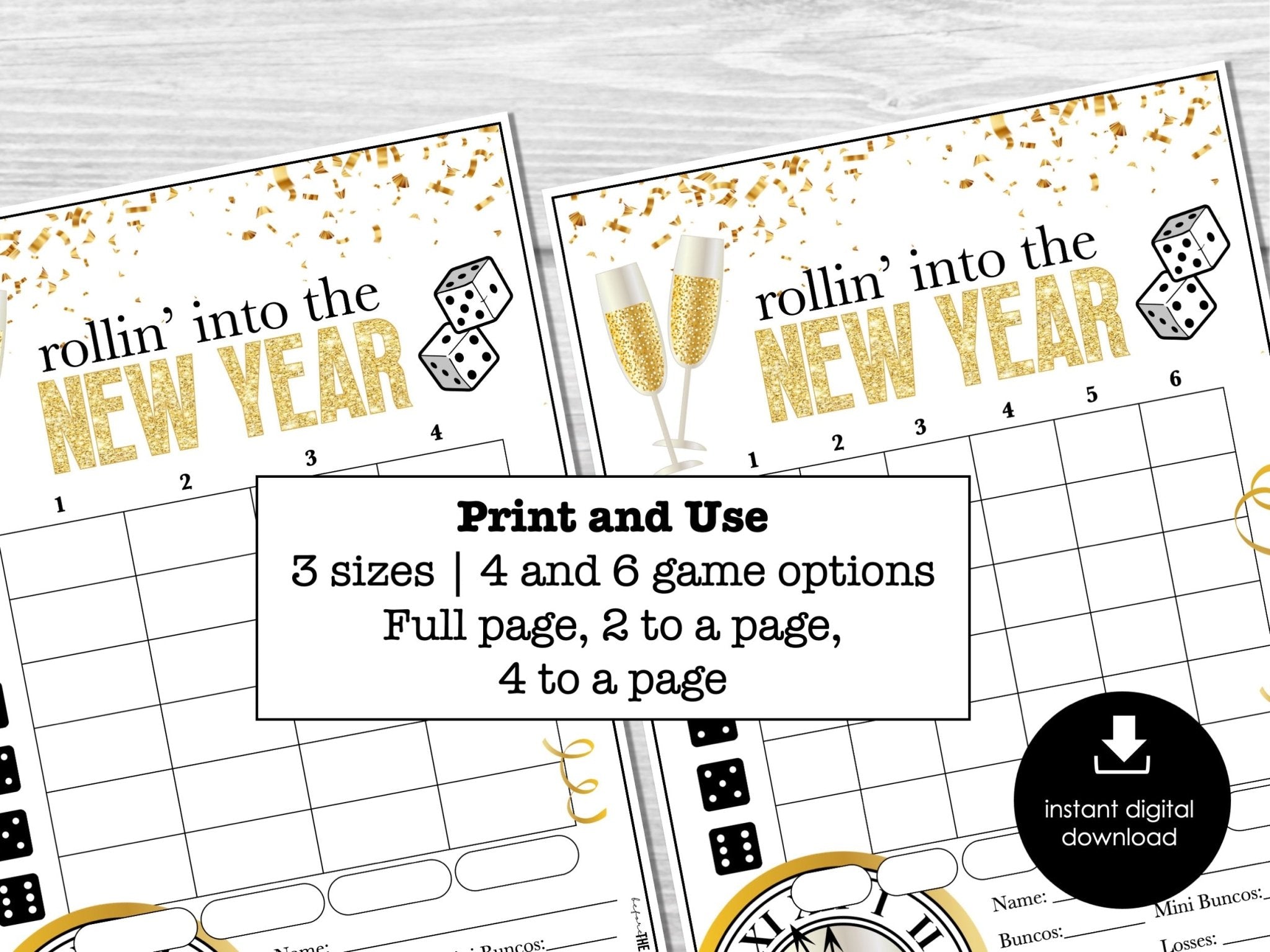
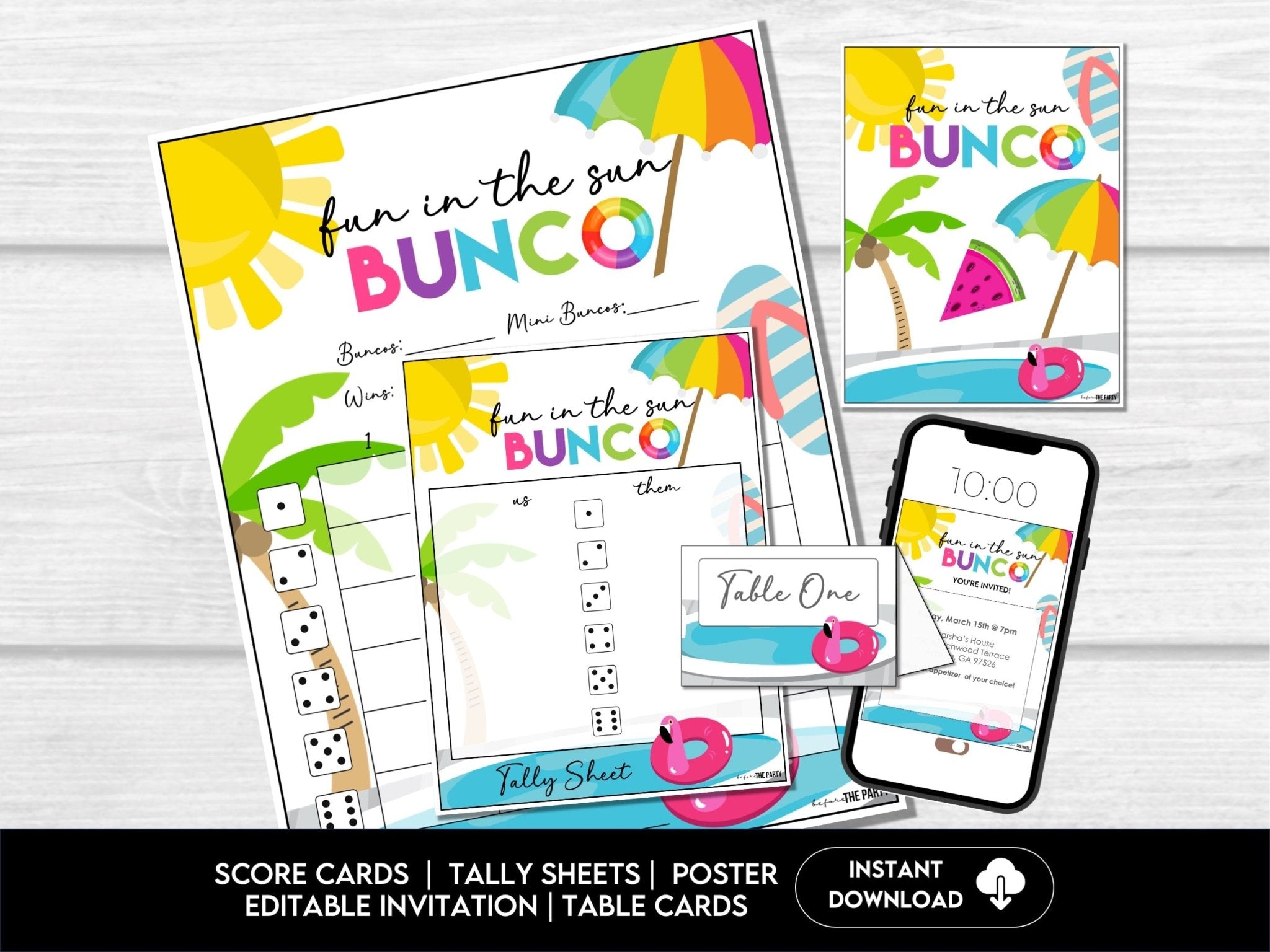
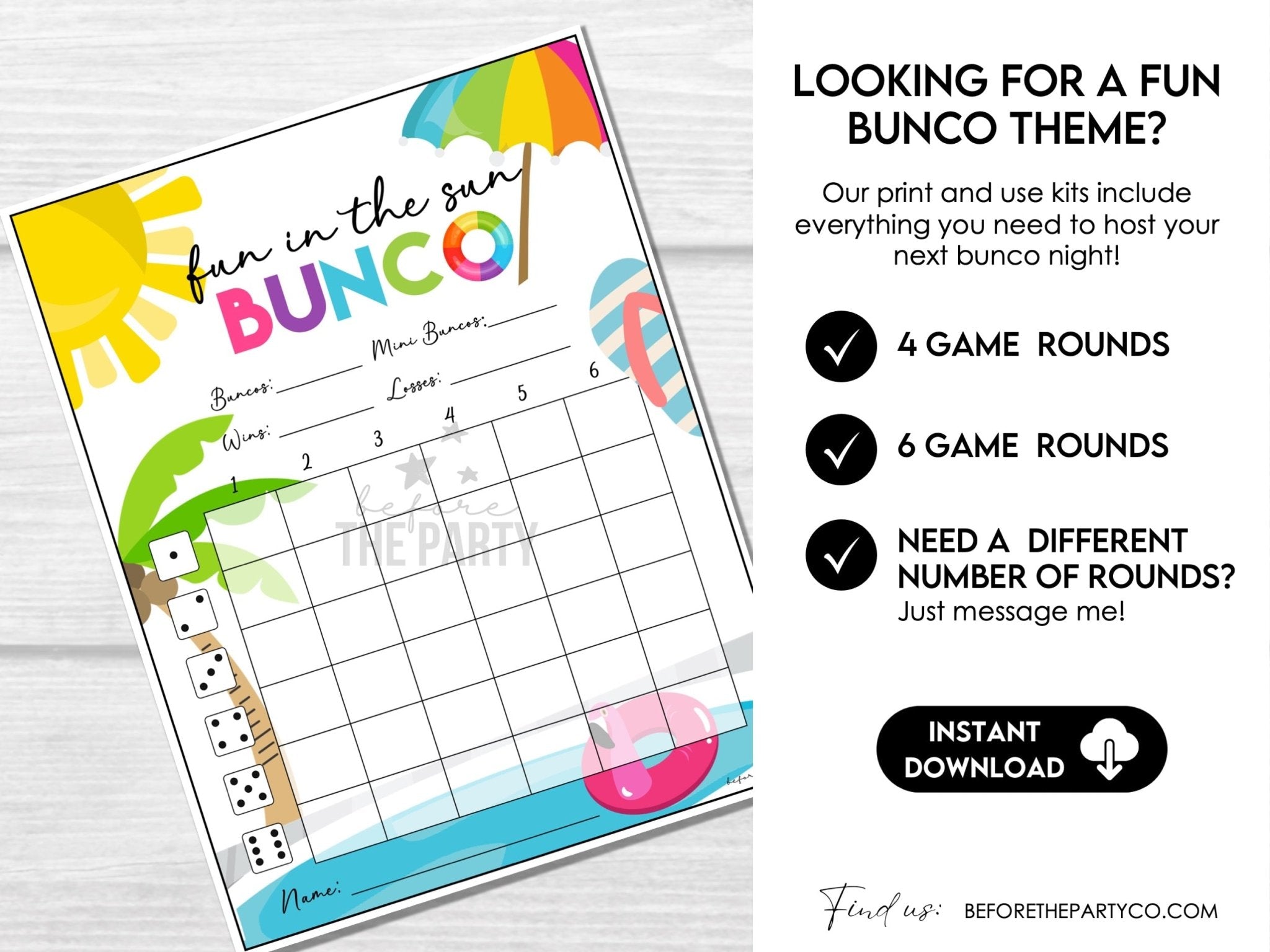
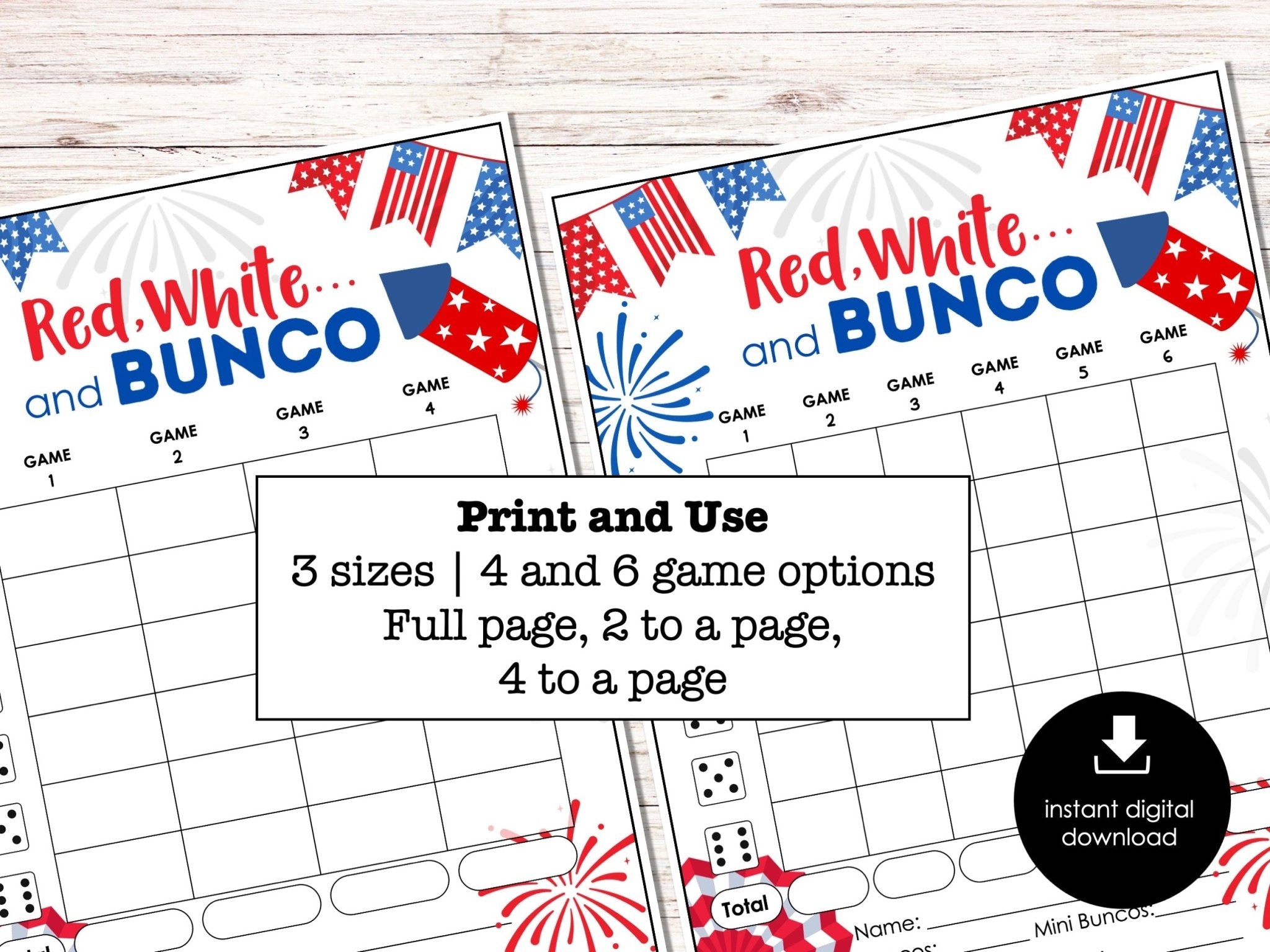
Ready-to-print materials also make the shared kit much easier to maintain. Browse the Bunco score sheets at Before The Party to choose a design for your group.
More Bunco Sets for Your Group
50s Retro Ladies Night Bunco Set
This funny housewife-inspired set is a good choice for groups that enjoy a cheeky retro theme and relaxed girls' nights.

Spring Flowers and Butterflies Bunco Set
A floral set is ideal when your first gathering falls in April or May and works beautifully with a garden-party menu.

Shop the Spring Floral Bunco Set
Watermelon Summer Bunco Set
This bright watermelon design works well for a backyard gathering, summer kickoff, picnic, or casual poolside game night.

Shop the Watermelon Summer Bunco Set
Step 8: Decide on Dues and Prizes
Prizes are optional, but many groups enjoy awarding small gifts for categories such as Most Wins, Most Buncos, Most Mini Buncos, and Most Losses.
Choose a system that feels comfortable for everyone:
- Each player contributes a small amount at every game.
- Members pay simple annual dues for supplies and prizes.
- The monthly host provides prizes.
- Skip purchased prizes and use funny certificates or a traveling trophy.
Be specific about the amount before the group begins. A modest, predictable contribution prevents awkward conversations later. If the host needs inspiration, browse small party-prize ideas on Amazon.
Step 9: Plan the First Bunco Night
The first event sets the tone, so keep it simple and organized. The goal is to teach the game, help people learn the rotation, and make everyone want to return.
One Week Before
- Confirm all 12 players and contact substitutes if needed.
- Send the address, arrival time, parking notes, and what to bring.
- Print scorecards, tally sheets, table signs, and rules.
- Confirm the prize categories and any player contribution.
The Day of the Game
- Arrange three tables or three clearly defined playing areas.
- Place three dice, a pencil, and a tally sheet at each table.
- Put the bell at the Head Table.
- Display the rules and rotation instructions.
- Create one self-serve area for snacks and drinks.
- Welcome everyone and explain the rules before the first round.
Expect the first few rotations to take a little longer. By the second set, most players will understand the rhythm and the game will begin to run itself.
Step 10: Keep the Group Going
A successful Bunco group does not need constant planning. It needs reliable communication, reasonable expectations, and a little flexibility.
- Send the next date and host reminder immediately after each game.
- Keep the rules consistent unless the group agrees to a change.
- Make it easy for members to request substitutes without guilt.
- Avoid making food, decor, or prizes feel competitive.
- Welcome new substitutes and explain the rules kindly.
- Review the schedule every few months.
Seasonal themes can add variety, but they should remain optional. A relaxed, welcoming group will last longer than one that expects every host to create an elaborate party.
Common Bunco Group Questions
How many people should be in a Bunco group?
Twelve regular players is the classic number. It creates three tables of four. Keep an additional list of four to six substitutes for absences.
How often should a Bunco group meet?
Monthly is common, but every six weeks or every other month may be easier for busy groups. A predictable recurring date is more important than frequency.
Does every member have to host?
No. Some groups rotate homes, while others use one regular location. Decide how food, setup, and supplies will be shared so the same person does not carry all the work.
How much should Bunco dues be?
There is no standard amount. Choose a small contribution that comfortably covers the prizes and shared supplies your group wants. You can also play without dues or purchased prizes.
What happens if a player cancels?
Contact someone from the substitute list. If no substitute is available, use a ghost player so the tables remain balanced.
Related Bunco Guides
- How to Play Bunco: Complete Rules for Beginners
- How to Host a Stress-Free Bunco Party
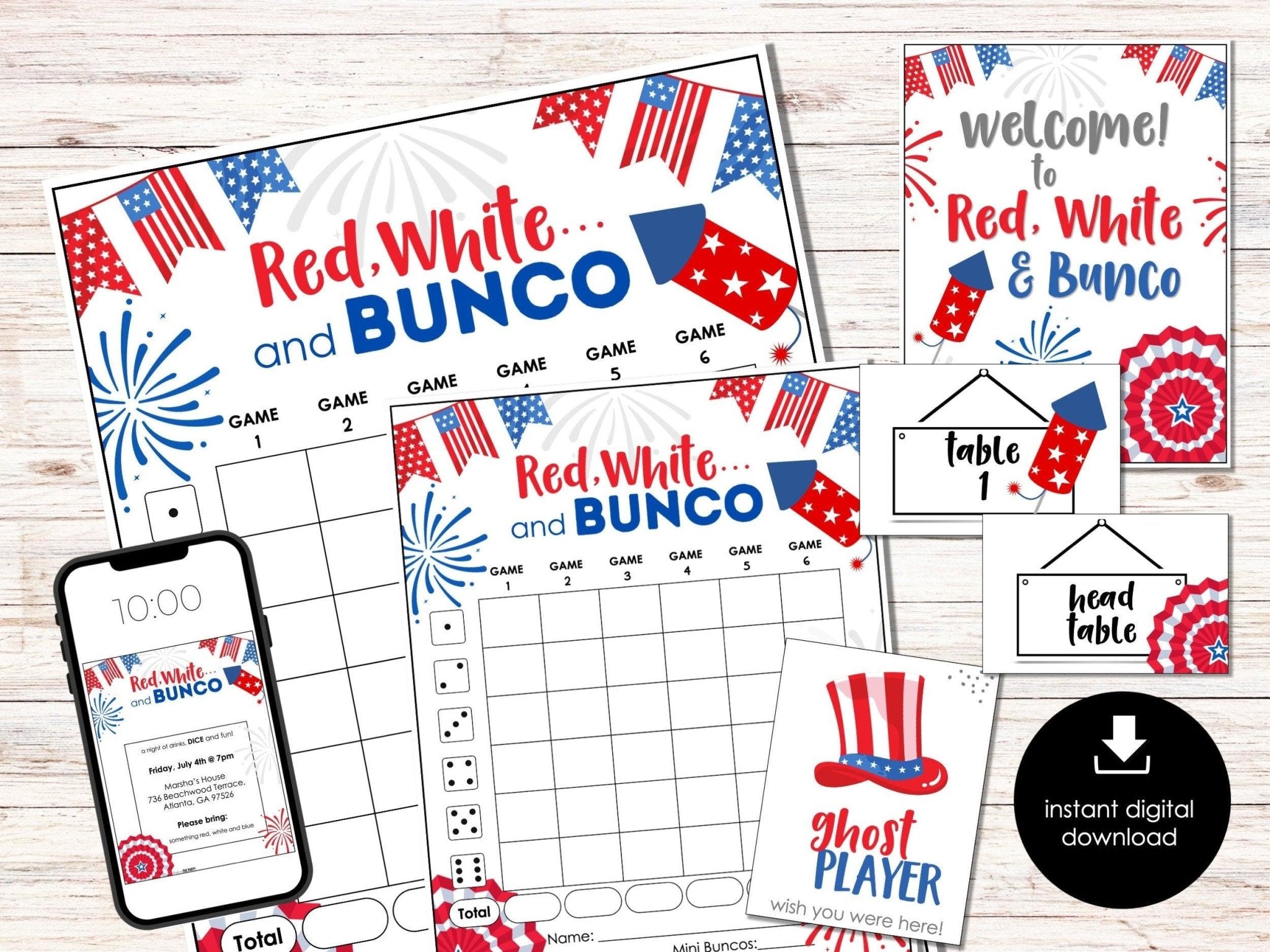
- How to Host a 4th of July Themed Bunco Party
Start Your Bunco Tradition
You do not need a perfect schedule, a large budget, or experienced players to start a Bunco group. Find a friendly group of 12, choose a recurring date, keep the rules clear, and make the first night easy. The traditions, inside jokes, and favorite themes will develop naturally over time.
Before your first game, visit Before The Party for printable Bunco supplies that help every host stay organized and every beginner feel confident.